Industries
Shipyard and port crane services
The right crane for the lift, with NCCCO-certified operators and riggers for shipyards and ports. Based in West Texas, working statewide.
Crane service for shipyards and ports
Shipyards and ports move heavy equipment and cargo, and we work statewide, the Texas coast included.
Lifts we take on include:
- Loading and unloading heavy cargo
- Setting equipment on docks
- Lifts for vessel repair and fabrication
- Moving project cargo
Dockside cargo and vessel repair lifts
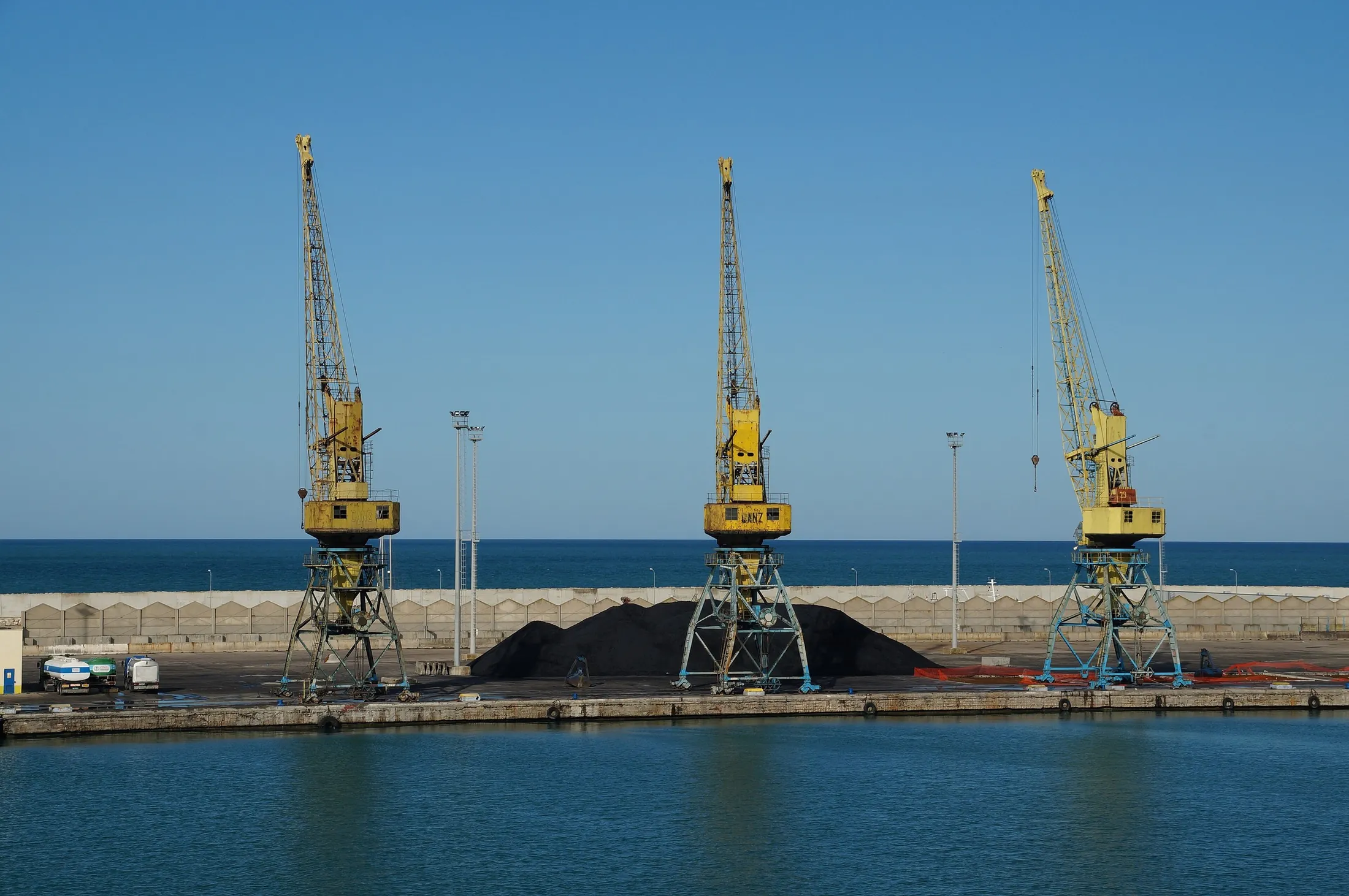
At ports, crane work is mostly heavy cargo moving between barge or vessel, dock and truck. Project cargo such as transformers, machinery and fabricated steel gets set on trailers, staged on the dock or loaded out, often alongside the ship's gear or the port's own cranes. The terminal sets the rules on the dock, so lift times follow the vessel schedule and the terminal's procedures.
Shipyard lifts are a different kind of work. Vessels in for repair need engines, generators, deck machinery, pipe and steel lifted on and off, often while the boat is tied up alongside or sitting on blocks. Fabrication yards build modules and assemblies that get turned, moved and loaded out. Ground near the water is often fill, so setup takes more checking than an inland pad.
- Sort out facility access: TWIC, escorts and the terminal's orientation.
- Send outrigger loads and the setup spot for the facility's engineering review.
- Set up on mats, back from the bulkhead edge as approved.
- Check tide, barge position and wind before the first pick.
- Set cargo on trailers or dunnage and release once it's secure.
- Rig down, pick up the mats and clear the berth on schedule.
Crane and operator for shipyards and ports
Every job goes out with the right crane for the lift, an NCCCO-certified operator and a rigger.
Docks and terminals have their own rules, so line up these details and the facility contact before you call dispatch.
- Cargo weights, dimensions and lifting points
- Dock or wharf load limits from the facility
- Vessel or barge schedule and berth location
- TWIC and escort requirements for the site
- Where cargo is staged or loaded to trucks
- Tide range if lifting from a barge
Rigging plans and safety plans for shipyards and ports
The dock decides a lot. Wharves, bulkheads and piers are built for set loads, and outrigger loads close to a bulkhead add pressure on the wall. The crane's setup spot and mats are worked out against the facility's limits before it rolls onto the dock, and some older structures can't take a crane at all.
Water adds the rest. Wind off the water can build through the day and catches big, flat cargo. Barges move with the tide and shift as weight comes on or off. Anyone working at the dock edge needs a life jacket. We write rigging plans around the dock limits and the cargo, and safety plans that deal with wind, the edge and the vessel or barge.
Book a crane
Call dispatch or send a lift request. Tell us the load, the location and the date.
FAQ
Questions about shipyard and port crane services
Can a mobile crane set up on a dock or wharf?
Often, but the dock has to carry the outrigger loads. Many ports and facilities ask for the crane's outrigger loads and the exact setup spot so their engineer can approve it. Mats are usually used to spread the load, and areas near the bulkhead edge or on older structures may be ruled out.
Do crane crews need a TWIC card to work at a port?
For unescorted access to secure areas of a regulated port facility, yes, a TWIC card is required. Workers without one have to be escorted by someone who holds one. Tell dispatch the facility's access rules when you call so access can be arranged before the crane shows up.
Can you lift cargo off a barge?
Yes, with planning for the water. The barge has to be moored tight, and it rises and shifts as weight comes off, so the pick is planned for the barge moving under the load. Tide range, barge position and the reach to the farthest piece on deck set where the crane goes and how it's rigged.
More from Concho Crane Co.