Industries
Oil & gas crane services
The right crane for the lift, with NCCCO-certified operators and riggers for oil and gas locations. Based in West Texas, working statewide.
Crane service for oil and gas locations
Oil and gas work is the core of what we do. A crane, an NCCCO-certified operator and a rigger come out to the location and make the lift.
Lifts we take on include:
- Setting tanks and tank batteries
- Setting production equipment and skids
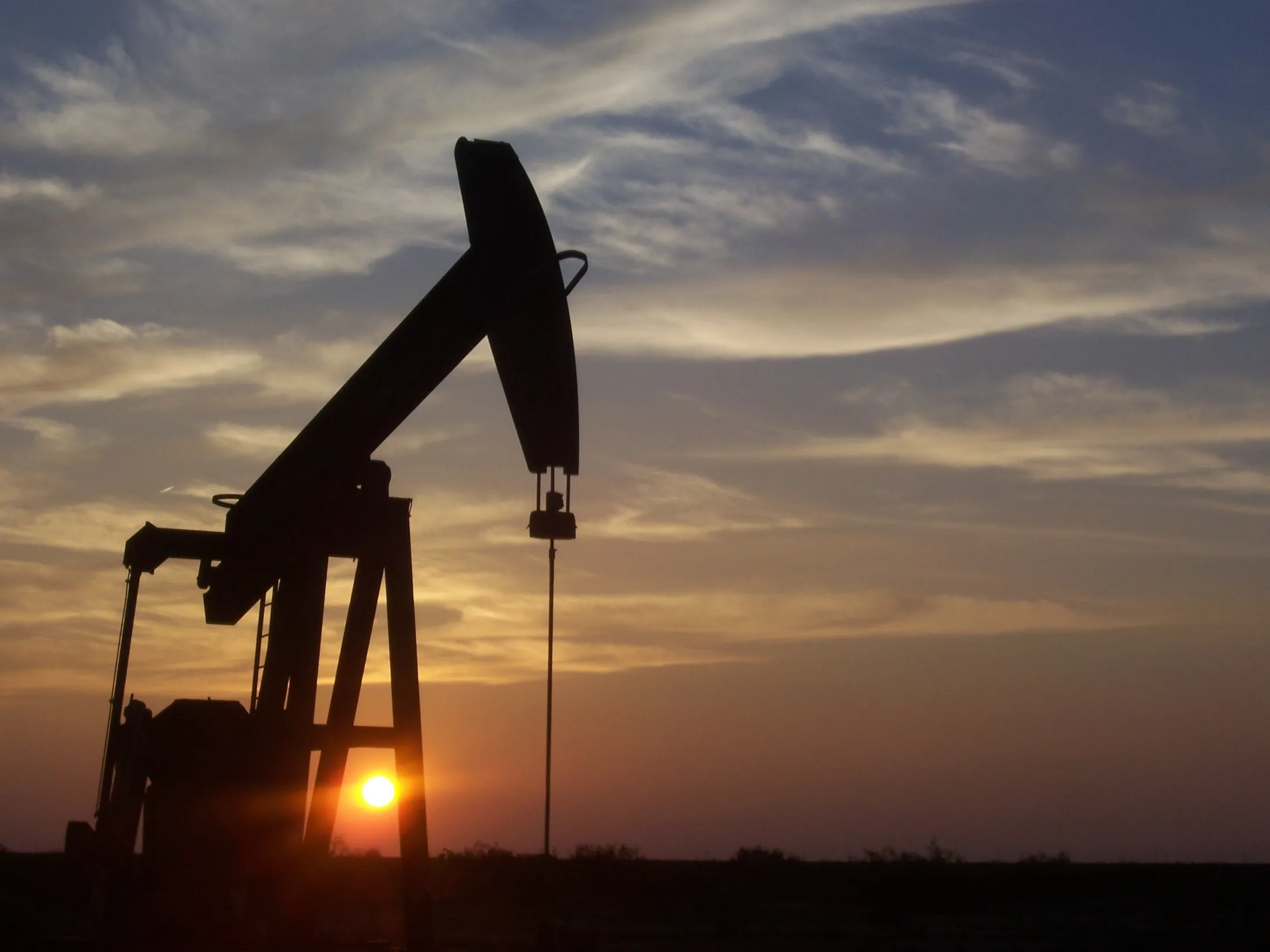
- Setting pumping units
- Equipment moves on location
Tank battery and pumping unit crane service
On a production location, the crane usually comes out to build or change a tank battery: oil and water tanks, separators, heater treaters, gun barrels and the catwalks that tie the tanks together. Tanks go onto a prepared caliche pad inside the containment, vessels set beside them, and the walkways and stairs usually go up last so the pipe fitters can tie everything in.
Pumping units go together in pieces, from the base and gear reducer up to the walking beam, horsehead and counterweights, and they come apart the same way when a unit moves to another well. Getting to the well is part of the job. Permian Basin lease roads run through ranch gates, cattle guards and low-water crossings, and the crane and its support trucks need room to turn around on the pad.
- Get the lease name, well number, GPS pin and gate codes.
- Check gates, cattle guards and tight turns for the crane and trucks.
- Walk the pad, mark flowlines and set outriggers on firm caliche.
- Run the JSA with the lease operator or construction foreman.
- Set tanks, vessels, catwalks or pumping unit pieces in order.
- Rig down and leave the pad and lease road as found.
Crane and operator for oil and gas locations
Every job goes out with the right crane for the lift, an NCCCO-certified operator and a rigger.
Production work goes smoother when dispatch knows the location and the equipment up front, so have these ready when you call:
- Lease name, well number and GPS pin
- Directions, gate codes and lease road condition
- Tank, vessel or pumping unit weights
- Battery layout or where each piece sets
- Flowlines and overhead power lines on the pad
- Who the crew reports to on location
Rigging plans and safety plans for oil and gas locations
On a production pad the usual hazards are buried flowlines, overhead power lines feeding pumping units and lease equipment, live tanks with vapors at an existing battery, and ground that changes after rain. We write rigging plans and safety plans that set the crane spot, keep the boom and load clear of power lines, and spell out how each tank, vessel or unit part is rigged.
Pumping unit work needs extra care. Counterweights and the walking beam are heavy, offset loads, and the unit has to be shut down and locked out with the brake set before anyone rigs to it. The plan covers lockout, tag lines and where every hand stands while each piece swings.
Book a crane
Call dispatch or send a lift request. Tell us the load, the location and the date.
FAQ
Questions about oil & gas crane services
Can a crane get down our lease road?
It depends on the road. Tell dispatch about narrow gates, cattle guards, low-water crossings, tight turns and soft spots, especially after rain. Photos help. The crane and its support trucks also need room to set up and turn around, so the size of the pad matters as much as the road in.
What order are tank battery lifts usually made in?
Most batteries go up in the same general order: tanks first, then separators, heater treaters and other vessels, then the catwalks, stairs and walkways that join the tanks. Setting in that order keeps the crane from reaching over finished work. Your foreman's layout decides the final sequence.
Can you move a pumping unit to a different well?
Yes. Depending on the unit and the distance, it can move as an assembly or be taken apart, loaded out and set again at the new well. The prime mover is locked out first, and the counterweights and horsehead come off as separate picks when the unit is broken down. Send the unit size and both well locations.
More from Concho Crane Co.