Industries
Residential & mixed-use crane services
The right crane for the lift, with NCCCO-certified operators and riggers for residential and mixed-use projects. Based in West Texas, working statewide.
Crane service for residential and mixed-use projects
Apartments, mixed-use buildings and homes need cranes for framing, materials and equipment.
Lifts we take on include:
- Setting roof trusses and wall panels
- Lifting materials to upper floors
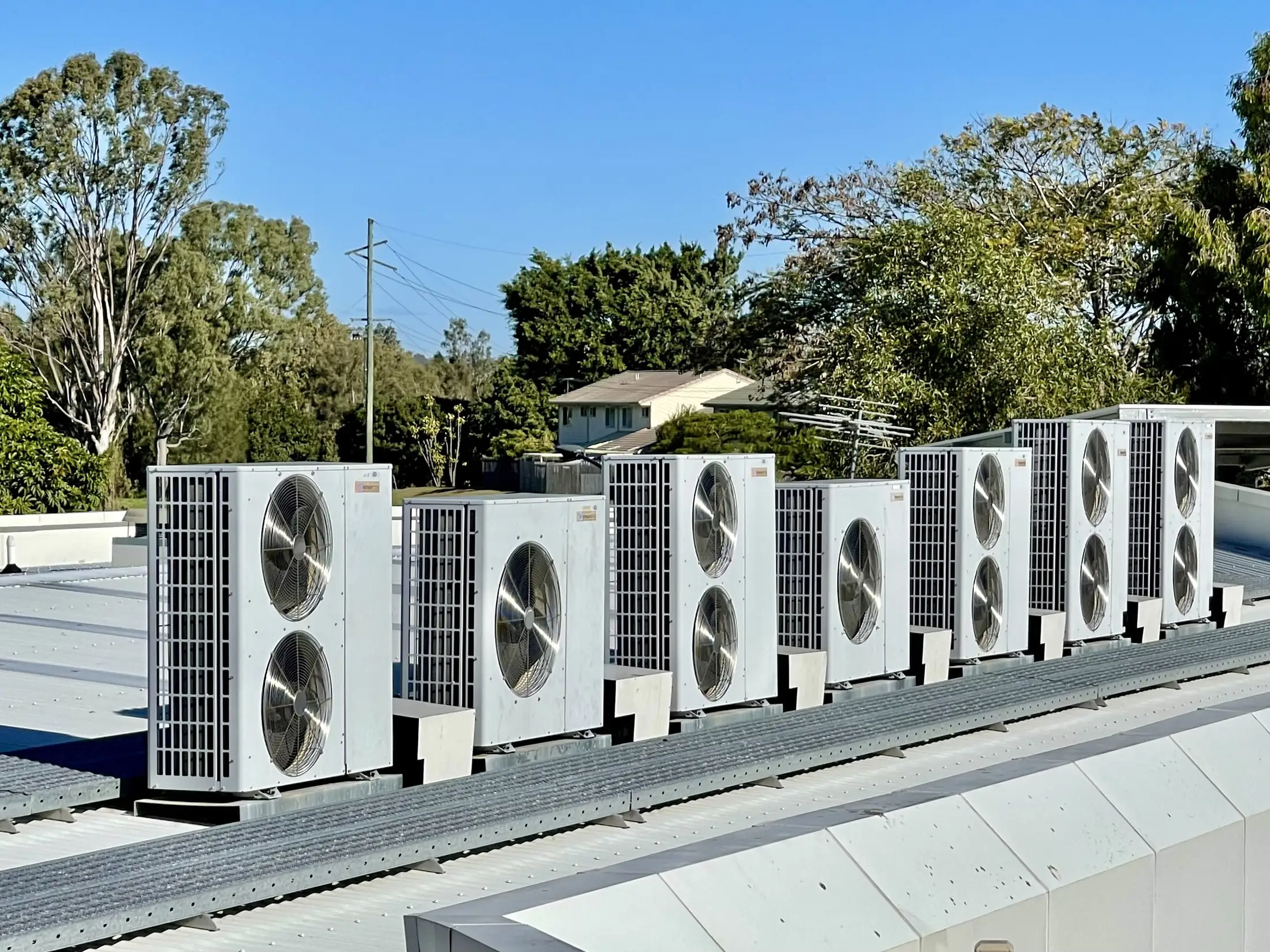
- Setting HVAC units and equipment
- Setting modular units and prefab components
Roof truss and framing material crane lifts
On apartment and mixed-use jobs, the crane mostly serves the framing crew. A common building type is wood framing over a concrete podium, with retail or parking on the ground floor. The crane lands lumber packages and wall panels on each floor as framing climbs, then sets roof trusses in bundles or one at a time. Rooftop condensers and other mechanical units come later, often in their own short visit.
Custom homes and smaller residential jobs usually need the crane for a day or less: a truss set, a steel beam for an open floor plan, or materials for a second story. Long trusses are picked at their panel points, often with a spreader bar, so they do not bend. Neighborhood sites bring street parking, trees, fences and overhead service lines, so the setup spot is worked out before the truss truck arrives.
- Check the truss layout, delivery time and crane setup spot.
- Set up on the street or lot with mats and cones out.
- Land truss bundles on the walls or set trusses one at a time.
- Framers fasten and brace each truss before the rigging is released.
- Lift remaining lumber, sheathing or units up to the deck.
- Break down, clear the street and leave the framers working.
Crane and operator for residential and mixed-use projects
Every job goes out with the right crane for the lift, an NCCCO-certified operator and a rigger.
Have these details ready before you call dispatch, so the crane, the truss truck and your framers all line up on the same day.
- Truss layout and the longest truss span
- Truss or material delivery date and time
- Where the crane can park and set outriggers
- Overhead lines, trees and fences near the build
- Number of floors or the roof height
- City or HOA rules for street work
Rigging plans and safety plans for residential and mixed-use projects
Residential crane work happens close to houses, cars and people who simply live there. Overhead service drops and power lines along the street are the hazard that matters most, along with soft yards, septic systems and curbs that cannot take outrigger loads. Our rigging plans cover crane position, reach and how each load is rigged, and our safety plans cover power line clearance, cones and the landing zone.
Trusses and wall panels act like sails. A gust can spin a bundle or push a panel out of plumb before it is fastened, which is why tag lines and wind limits are part of the plan. On podium buildings, the crane also has to reach every floor without swinging loads over the sidewalk or the buildings next door.
Book a crane
Call dispatch or send a lift request. Tell us the load, the location and the date.
FAQ
Questions about residential & mixed-use crane services
Can a crane set roof trusses on a single-family house?
Yes. A truss set on a house is a common crane job, often wrapped up in a single day. The crane lands bundles on the walls or sets trusses one at a time for your framers. Tell us the longest span, the delivery time and where the crane can park.
Do roof trusses need a spreader bar for a crane lift?
Longer trusses usually do. A spreader bar or strongback lets the slings attach at several panel points, so the truss does not bend or buckle in the air. Shorter trusses can often be picked from two points. The truss manufacturer's handling and bracing guidelines spell out what each truss needs.
How does a crane get framing materials to the upper floors of an apartment building?
The crane lands lumber packages, wall panels and bundles of sheathing right on the floor deck where the framers need them. Each load goes on a spot the framing can carry, usually over walls or beams, not in the middle of an open span. Planning the drop spots ahead keeps the framers moving.
More from Concho Crane Co.